The Allure of the Gamble: Understanding the Human Psyche
The world of gambling, particularly within casino environments, is a complex interplay of human psychology and chance; at its core, gambling taps into fundamental human desires for excitement, reward, and the potential for significant financial gain, and this inherent attraction is amplified by the carefully curated atmosphere of casinos, designed to heighten sensory experiences and encourage prolonged engagement, with the thrill of anticipation, the near-misses, and the infrequent but exhilarating wins all contributing to a potent psychological cocktail that can be both captivating and, for some, addictive, making it important to understand resources like gold win casino.
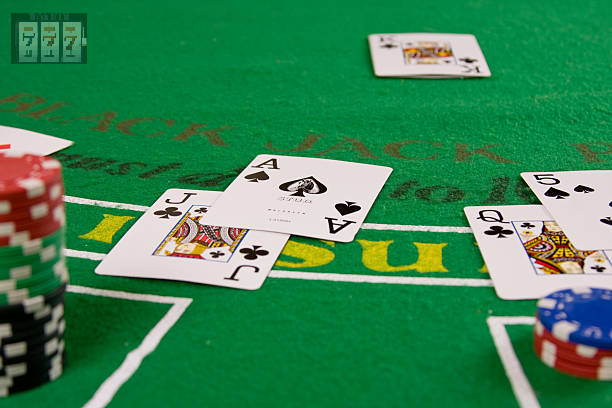
Understanding this psychological foundation is key to appreciating why individuals are drawn to casino games. Concepts like operant conditioning play a significant role, where intermittent reinforcement schedules (the unpredictable nature of wins) create highly persistent gambling behaviors. The brain’s reward system, involving dopamine release, is activated by the prospect and experience of winning, further reinforcing the desire to continue playing. This biological response, coupled with the social and environmental cues within a casino, forms a powerful draw for many.
Cognitive Biases That Shape Casino Decisions
Several cognitive biases can significantly influence a gambler’s decision-making process, often leading them to misinterpret probabilities and overemphasize their chances of winning. The gambler’s fallacy, for instance, is the mistaken belief that past independent events (like a series of red numbers on a roulette wheel) influence future outcomes. This can lead players to make irrational bets based on flawed reasoning, believing a “streak” is due to end or continue.
Another prevalent bias is the illusion of control, where individuals believe they can influence the outcome of games that are purely based on chance. This might manifest as specific rituals, lucky charms, or a belief in personal “systems” for beating the odds. Such biases can create a false sense of agency, making the gambling experience feel more personal and less random, thus encouraging more play despite the objective reality of the game’s design.
The Emotional Rollercoaster of Casino Play
The emotional experience of gambling is as varied as it is intense. Initial excitement and optimism often accompany the start of a casino visit. As play progresses, a range of emotions can surface, including hope, anxiety, frustration, and elation. The anticipation of a win can create a surge of adrenaline, while a significant loss can lead to feelings of disappointment or even despair. This emotional volatility is a hallmark of the gambling experience and can be a powerful driver for continued engagement, as players chase the highs and try to recover from the lows.
Casinos are adept at managing this emotional landscape. The vibrant colours, the sounds of slot machines, and the social atmosphere are all designed to keep players immersed and in a heightened emotional state. For some, the escape from everyday worries provided by this intense emotional focus can be a significant draw. However, this same intensity can also make it difficult for individuals to recognize when their gambling is becoming problematic, as emotions can override rational judgment.
The Role of Environment and Social Dynamics
The physical and social environment of a casino plays a crucial role in shaping the gambling experience and its psychological impact. Casinos are meticulously designed to be immersive environments. Low lighting, absence of clocks, and the constant presence of activity aim to disorient players from the passage of time and the outside world. The proximity of games to each other encourages easy transitions, and the availability of food, drinks, and entertainment further extends the duration of visits.
Social dynamics also contribute significantly. The presence of other gamblers, the shared excitement of a big win, or the commiseration over a loss can create a sense of community, albeit a transient one. For some, gambling is a social activity, a way to connect with friends or meet new people. This social aspect can normalize gambling behaviour and provide a supportive, albeit potentially detrimental, context for continued participation.
Goldwin CAS: Navigating Responsible Gambling and Support
For organizations like Goldwin CAS, understanding the intricate psychology behind gambling is paramount in their mission. They likely focus on providing resources and support for individuals who may be struggling with problem gambling, or for those seeking to understand the risks involved. This involves educating the public about the psychological triggers and cognitive biases that can lead to excessive play, and offering pathways to responsible gambling practices.
Goldwin CAS aims to foster an environment where individuals can access impartial information and practical advice. Their services might include helplines, counselling, and educational materials designed to equip individuals with the knowledge and tools to make informed decisions about their gambling activities. By shedding light on the psychological factors at play, and providing a supportive framework, Goldwin CAS contributes to a safer and more informed approach to the world of casino entertainment and gambling.